



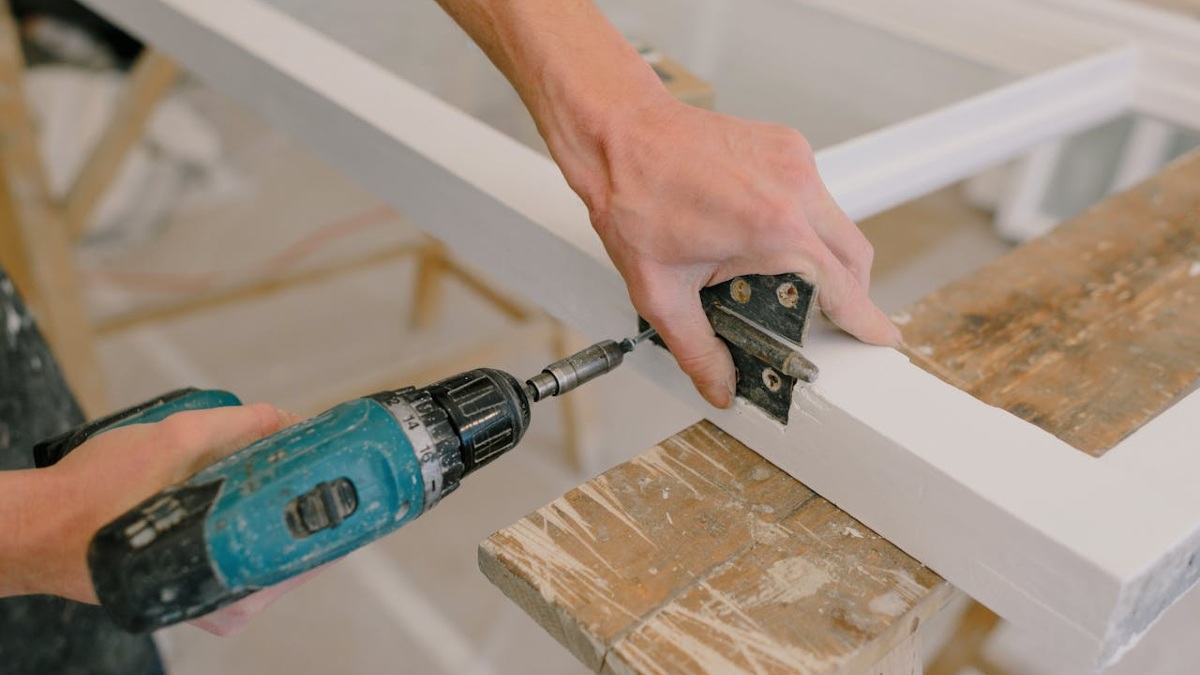
Unlike traditional construction loans, these products cater specifically to borrowers who wish to oversee or carry out parts of the construction process themselves. While the idea of rolling up your sleeves and building your dream home may sound appealing, owner builder loans come with their own set of considerations, including stricter lending criteria and higher interest rates.
What is an Owner Builder Construction Loan?
An owner builder construction loan is a specialised type of construction loan that allows property owners to manage the building of their home themselves either by physically completing work or subcontracting tasks without hiring a licensed builder to coordinate all the trades.
Unlike standard construction loans, which are disbursed in stages to licensed builders, these loans are subject to tighter lending conditions due to the elevated risk of cost blowouts, poor workmanship, or project delays. We've all seen those episodes of The Block or Grand Designs where budgets are blown and deadlines are missed. And this time you won't have Scotty Cam or Kevin McCloud to save you.
Banks and non-bank lenders assess these loans cautiously, and many will only offer funding if the owner-builder holds relevant qualifications or is employing registered trades for critical tasks such as plumbing and electrical work. This is not only a lender requirement but a legal one - many jurisdictions ban amateurs from doing their own work in these fields.
Compare Construction Loans
Looking for a construction loan instead? Below are some of the sharpest rates on construction home loans in the market.
| Lender | Home Loan | Interest Rate | Comparison Rate* | Monthly Repayment | Repayment type | Rate Type | Offset | Redraw | Ongoing Fees | Upfront Fees | Max LVR | Lump Sum Repayment | Extra Repayments | Split Loan Option | Tags | Features | Link | Compare | Promoted Product | Disclosure |
|---|---|---|---|---|---|---|---|---|---|---|---|---|---|---|---|---|---|---|---|---|
6.29% p.a. | 6.35% p.a. | $2,621 | Interest-only | Variable | $0 | $835 | 70% | |||||||||||||
6.74% p.a. | 6.77% p.a. | $2,808 | Interest-only | Variable | $0 | $450 | 80% | |||||||||||||
6.29% p.a. | 6.42% p.a. | $3,092 | Principal & Interest | Variable | $0 | $1,212 | 70% | |||||||||||||
8.40% p.a. | 7.83% p.a. | $3,500 | Interest-only | Variable | $20 | $644 | 90% |




How to Qualify for an Owner Builder Construction Loan
Securing an owner builder loan is more complex than a standard construction loan. To qualify, lenders typically require the following:
1. Owner Builder Permit
You must obtain an owner builder permit (required for projects over $10,000 in most states, or $20,000 in others like Victoria). This usually involves completing an owner builder course or demonstrating relevant experience.
2. Comprehensive Building Plans
Detailed architectural drawings, floor plans, and engineering reports are crucial. Lenders want to see evidence that your project is well planned and compliant with council and state regulations.
3. Fixed Price Cost Estimate
Lenders require a full breakdown of construction costs. This must include quotes from licensed trades for plumbing, electrical, and structural works, even if you plan to carry out some tasks yourself.
4. Council Approval
You must have development approvals and building permits in place before funding will be considered.
5. Strong Financial Profile
Because owner builder loans are riskier for lenders, they often demand:
-
A higher deposit or equity in the home (at least 20%-40%)
-
A solid credit history
-
Stable income
-
Emergency funds or contingency budget (typically 10%-15% of the total project cost)
Who Offers Owner Builder Construction Loans?
Not all lenders offer these loans. In fact, many major banks have exited the owner builder space altogether. However, some niche lenders and brokers still provide options, often under stricter terms.
You may also be able to access finance through a home loan top up or home equity loan if you have a place already that you want to renovate.
What are the Interest Rates for Owner Builder Construction Loans?
Interest rates for owner builder loans are generally higher than standard construction loans due to the perceived risk. Expect interest rates 1 or 2 percentage points higher than an equivalent, bog-standard home loan for owner occupiers.
There may also be additional fees for features like staged payments or progressive drawdowns. Keep in mind that lenders may also require mortgage insurance or security over additional assets.
Can I Use an Owner Builder Loan for Renovations?
Yes, owner builder construction loans can be used for major renovations or extensions, especially if they involve structural changes, second-storey additions, or total rebuilds - major items that require tens of thousands of dollars' worth of funding.
However, cosmetic renovations like painting, landscaping, or minor updates may not require this type of loan due to their smaller scope. In such cases, personal loans or home equity loans might be more suitable.
As with new builds, renovation projects will still require council approval, building permits, and a clear cost estimate to be eligible for financing.
— No Context Grand Designs (@ukgranddesigns) April 30, 2025
What Documents Do I Need to Apply?
Here's a checklist of documents commonly required when applying:
-
Owner builder permit
-
Council-approved building plans
-
Detailed budget and cost breakdown
-
Quotes from licensed trades
-
Timeline and progress schedule
-
Evidence of funds (deposit and contingency)
-
Proof of income (payslips, tax returns)
-
Existing loan statements (if refinancing or using equity)
Providing a well-documented and realistic project proposal significantly improves your chance of approval.
FAQs
What is an owner builder construction loan?
It's a specialised loan designed for individuals who plan to manage or personally undertake the construction of their own home, rather than hiring a licensed builder.
How do I qualify for an owner builder construction loan?
You'll need an owner builder permit, detailed plans and costings, council approval, and a strong financial profile. Some building experience or credentials are usually required.
What are the interest rates for owner builder construction loans?
Rates are typically higher than standard construction loans, depending on lender risk assessments.
Can I use an owner builder loan for renovations?
Yes, particularly for structural renovations or large-scale projects with council approval. Smaller cosmetic renovations may be better suited to alternative finance options.
What documents do I need to apply?
You'll need a building permit, budget and quotes, building plans, proof of income and deposit, as well as supporting documents that show project feasibility.
Photo by Ksenia Chernaya on Pexels

