


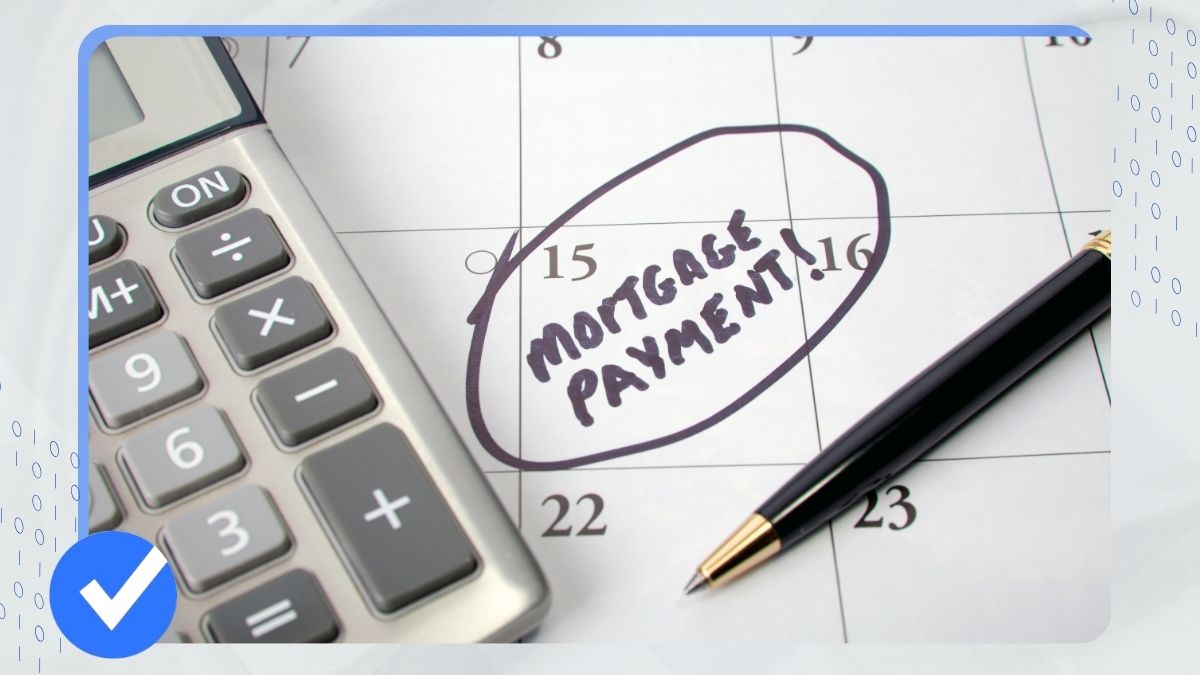
- Making extra mortgage repayments can reduce both the length of your loan and the total interest paid, with even small overpayments potentially delivering significant long-term savings.
- Overpayments typically go directly towards your loan principal, helping to lower the balance on which interest is calculated and accelerating your path to becoming mortgage-free.
- Check your loan terms first, as some lenders may restrict extra repayments or charge fees, especially on fixed-rate loans.
A person signing on to a new home loan might expect to be paying it off for the next 30 years - that’s a long time for interest to accumulate. A big way to mitigate that interest bill is paying extra - if your mortgage allows for it.
Whether you overpay by $20 a week or you sink your annual bonus into the facility as a lump sum repayment, paying back more than you’re required is the best way to reduce the length of your mortgage and, therefore, the amount of interest you’ll pay over its life.
Should you overpay your mortgage?
The regular repayments on a principal and interest home loan is divided into just that - principal and interest portions. The interest is charged by your bank or lender and is based on each dollar outstanding on your mortgage. So, if you repay some of those dollars early, then you’ll no longer be paying the bank for the pleasure of borrowing them.
Anything you pay on top of your regular repayments goes towards paying down the principal balance of your home loan, thereby knocking out dollars before they’ve had a chance to generate any more interest. Thus, if you can make overpayments of any size, whether on the back of a bonus at work, a windfall, or using money that would otherwise go towards takeaway coffees, you'll reap long-term rewards.
By how much might you be able to benefit from extra repayments? Find out by using InfoChoice’s Extra Repayments Calculator. It can give you a good idea as to how even modest overpayments can build up over the years, potentially saving a borrower tens of thousands of dollars.
However, there are instances in which it might not be wise to make extra repayments on your home loan. For instance, if you had high-interest consumer debt, such as credit card debt, it’s probably worth paying that down before overpaying on a comparatively lower-interest loan such as a mortgage.
Can you overpay your mortgage?
So far, so good. Make some overpayments and you'll be mortgage-free earlier, right?
Not necessarily. Not all mortgage lenders allow for overpayments and some limit how many extra repayments you can make. That’s typically the case for fixed rate mortgage products.
Fixed rate home loans can provide peace of mind, as a borrower will always know how much their next repayment will be. But, as a bank or lender will generally borrow the money that it lends to a person with a fixed rate loan, if a person were to pay their fixed rate home loan back earlier than planned the bank or lender might end up out of pocket.
On that note, if your overpayments reduce the term of your mortgage to nothing, you may incur a break fee. Break fees can be significant. Their size is generally determined based on the loss incurred by the lender on the cessation of its agreement with a borrower.
Variable rate mortgages tend to be more flexible than fixed rate products when it comes to making early repayments and overpayments. Still, it's important to find out how extra payments will impact your personal situation.
Pros of overpaying your mortgage
- Pay off your loan sooner: Making extra repayments can reduce the length of your mortgage, helping you become debt-free earlier than scheduled.
- Save on interest: By reducing your outstanding balance faster, you'll generally pay less interest over the life of the loan.
- Improve your refinancing prospects: A lower loan balance can improve your loan-to-value ratio (LVR), potentially making you eligible for more competitive refinancing deals sooner.
- Build a financial buffer: Some lenders allow borrowers to access extra repayments through features such as redraw facilities or repayment holidays, providing additional flexibility during periods of financial stress.
- Small amounts can make a big difference: According to InfoChoice's Home Loan Calculator, on a $400,000 mortgage at 5% p.a. over 30 years, paying an extra $20 each month could reduce the loan term by around seven months and save about $8,445 in interest. Increasing extra repayments to $100 per month could shorten the loan by nearly two years and eight months and save more than $38,000 in interest.
Cons of overpaying your mortgage
- Your regular repayments usually won't fall: Making extra repayments generally won't reduce the minimum repayment amount required by your lender, even though your loan balance is shrinking.
- Access to extra funds may be limited: Not all home loans include redraw facilities, and some lenders impose conditions on accessing additional repayments you've made.
- Less cash available elsewhere: Putting extra money towards your mortgage could reduce funds available for emergencies, investing, or other financial goals.
- Benefits vary by loan type and lender: The impact of overpayments and the availability of features such as redraw or repayment holidays will depend on your home loan product and lender policies.
What’s the best way to overpay your mortgage?
You might not be in a position to make hefty extra repayments right from the birth of your home loan. But then again, squirrelling away smaller amounts in order to make a larger lump sum a few years down the track likely isn’t the best way to overpay your mortgage.
Remember, as soon as those dollars are wiped from the balance of your mortgage, they stop generating interest. So, you might find that the sooner they're gone, the better.
Making a big lump sum repayment towards the end of your mortgage will shorten the life of your loan, but you will have already paid a large amount of interest by that point. While lump sums can have a huge impact, if you don't expect to be able to make one any time soon, it’s probably more worthwhile to carry on making smaller overpayments.
Thus, the best way to overpay your mortgage might turn out to be putting a small, additional sum on top of your regular repayments, even if all you can spare is $5 a month.
Increase the frequency of your payments
Some home loans will let you change the frequency of your repayments from monthly to fortnightly, or even weekly, which reduces your interest burden and the length of your mortgage.
Changing to fortnightly payments will generally mean that you make 26 payments each year, rather than the 12 you would make paying monthly. By doing the math, we can see that by paying fortnightly a borrower makes an additional month’s worth of repayments (roughly) each year.
Therefore, paying fortnightly can mean a borrower repays their home loan back sooner than they otherwise would if they were paying monthly. Also, as interest is calculated on a daily basis, making more frequent repayments reduces the balance on which interest is charged more regularly, thereby depriving your interest rate a balance in which to attach itself.
Most home loans allow you to redraw overpayments
There may come a time when you might need that $15,000 windfall you paid into your home loan. You might decide to renovate your kitchen, for example, or install solar panels.
Most mortgage products will allow you to redraw any overpayments you've made over the course of your home loan. That means you can access some or all of the cash when you need it. Do remember, however, that your outstanding balance will be increased and you'll add back some of the months or years you shaved off by making the extra repayments in the first place.
If you’ve considered all the above information and still find making extra repayments on your home loan nerve-wracking, then an offset account might be more up your alley. Money stored in an offset account is normally ‘offset’ against your borrowings, meaning your home loan repayments won’t include interest on the value of cash kept in the easily accessible account. Though, offset accounts normally incur fees and many of the market’s most competitive home loans generally don’t offer offset accounts.
| Lender | Home Loan | Interest Rate | Comparison Rate* | Monthly Repayment | Repayment type | Rate Type | Offset | Redraw | Ongoing Fees | Upfront Fees | Max LVR | Lump Sum Repayment | Extra Repayments | Split Loan Option | Tags | Features | Link | Compare | Promoted Product | Disclosure |
|---|---|---|---|---|---|---|---|---|---|---|---|---|---|---|---|---|---|---|---|---|
6.19% p.a. | 6.23% p.a. | $3,059 | Principal & Interest | Variable | $0 | $530 | 90% |
| Promoted | Disclosure | ||||||||||
6.14% p.a. | 6.05% p.a. | $3,043 | Principal & Interest | Variable | $0 | $0 | 80% |
| Promoted | Disclosure | ||||||||||
6.29% p.a. | 6.33% p.a. | $3,092 | Principal & Interest | Variable | $0 | $530 | 90% |
| Promoted | Disclosure |


Originally published by Natasha Poynton on 21 October 2020, updated by Brooke Cooper on 30 October 2023.
First published in October 2020

