


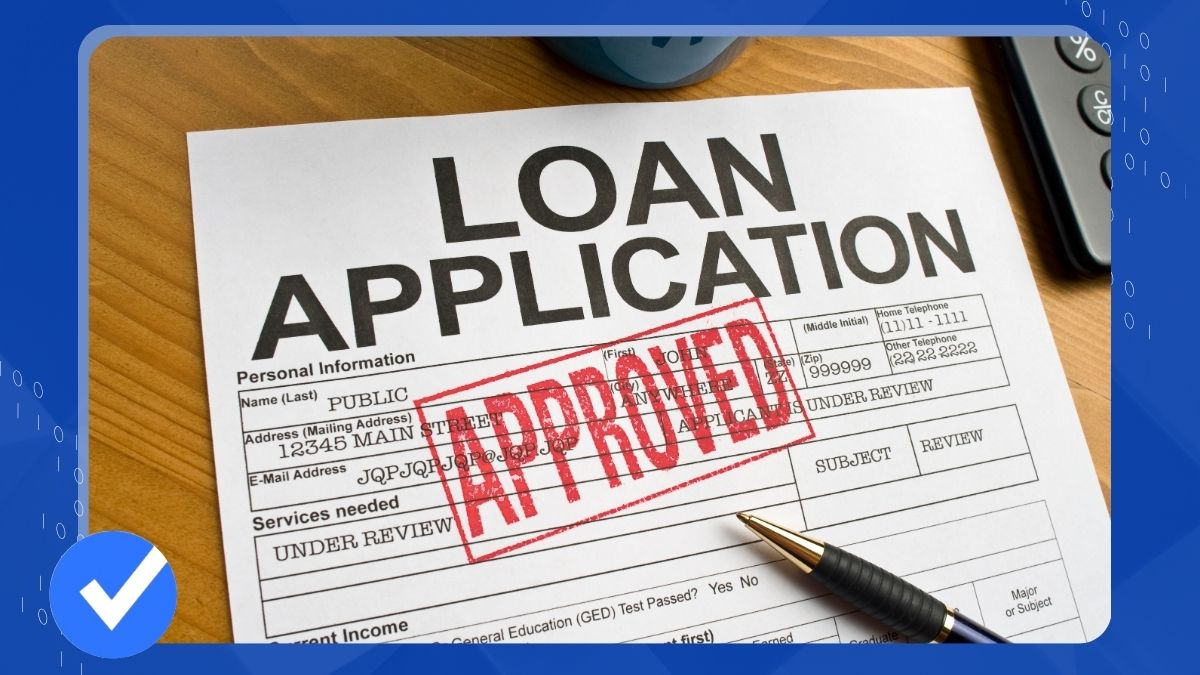
- Personal loan approval depends on meeting key criteria, including income, employment, credit history, loan security, and your overall financial position.
- Lenders assess your ability to repay by examining your income stability, existing obligations, and credit track record.
- Applying without meeting these requirements can lead to rejection and potentially harm your credit score.
It doesn't matter if you're borrowing $2,000 or $200,000 - you'll need to meet certain eligibility criteria to get access to a personal loan.
Keep in mind that a rejected inquiry can damage your credit score.
While different lenders specialise in various areas, such as offering personal loans for bad credit, most lenders will want to ensure you meet the following five areas of eligibility before approving your loan.
Personal loan eligibility criteria
Most lenders in Australia assess five main factors to establish eligibility, though each lender may have their own processes and criteria. It's crucial to know, understand, and meet these minimum requirements before starting your application.
1. Income
Almost all of Australia’s lenders need you to have a steady income so that you can keep up with (at least) the minimum payments you’ll have to make each month to pay back the loan and its interest.
Some lenders will consider you even if you’re on a low income (although you may only be eligible for smaller loans), while others ask for a minimum annual income before you can apply.
2. Employment
There’s no discrimination against any job sector (as long as it’s legal, of course), but many lenders prefer you to be in permanent employment.
You can still find loans even if you’re a part-time worker or you’re self–employed, but there may be fewer options if you’re casual, with smaller limits or other extra conditions.
Some lenders will approve you for a loan even if you’re unemployed and receiving government benefits. However, you’ll probably only qualify for smaller amounts as you have to show that you can service the loan on the income that you have.
3. Credit history
If your credit history is very good or excellent, with no negative hits such as defaults, late payments, or ancient overdrafts that never seem to diminish, then you’ll look like a good prospect to lenders.
Your credit score is a measure of how much risk the lender is taking to give you the loan, and lenders don’t like risks.
Even failing to pay an electricity bill or phone bill can look bad on your credit report.
If you’ve always paid bills on time, repaid previous loans promptly and maintained a steady job, then you’ll be more likely to be approved for a loan than someone with a history of missed repayments.
4. Loan security
The big difference between an unsecured and a secured personal loan is the security.
That’s not a play on words - the security is the assets that you can back the loan with. Good examples of secured loans include car loans and mortgages. In this case, your car or home acts as collateral in the event you happen to default, so the lender feels safer when it comes to approving your loan application.
An unsecured loan has no collateral involved, so the lender needs to use your credit score as the main factor when making a decision.
Read more: Secured vs Unsecured Personal Loans
5. Assets, expenses and debts
You’ll have to list your assets, expenses and existing debts when you make your application. This is because lenders use your income and outgoings (including debts) when they look at your debt–to–income ratio, or DTI.
Having more income may raise your credit rating as long as you’re not ploughing it all into repaying credit cards, overdrafts, or a huge mortgage.
It’s about how much your disposable income is and how you handle it, not just about rocking up to the bank and asking “How much can I borrow?”
Your expenses are most often estimated, and while you might be a few dollars out, lenders can look at how much you’re spending on kindergarten fees and groceries and weigh it up against the averages from other borrowers. Never be tempted to massage figures!
Compare personal loans across Australia
Compare some of the best personal loans from banks and lenders across Australia to help you find the right choice for you.
Lender Car Loan Interest Rate Comparison Rate* Monthly Repayment Interest Type Secured Type Early Exit Fee Ongoing Fee Upfront Fee Total Repayment Early Repayment Instant Approval Online Application Tags Features Link Compare Promoted Product Disclosure
Disclosure
Promoted
Disclosure
Promoted
Disclosure


Tips to boost your personal loan eligibility
Improve your Debt to Income Ratio
In line with responsible lending criteria, banks and lenders will look to lend to borrowers with a debt-to-income ratio of 40% or lower. This means that if the proportion of debt you have (existing personal, car or mortgage) is greater than a percentage of your income (in this case 40%), then the bank or lender will likely pull the pin on your personal loan application.
This falls under the guidance of the National Consumer Credit Protection Act 2009 (National Credit Act) which highlights that credit licensees must not enter into a credit contract with a consumer if the credit contract is unsuitable for the consumer.
Reducing your debt to income ratio can aid in boosting your personal loan eligibility. Methods to do this include revisiting your budget , allowing you to eliminate spending on wants as opposed to needs and putting that money towards repaying debts.
Earn a consistent income in stable employment
Banks or lenders may be view you as a flight risk if you’re still in your three-month probationary period at your new job. Another issue may be earning different amounts each month, especially if the 'bad' months mean less than minimum wage and you have to use savings from
the “good” months. This is particularly relevant for those self-employed, where income has the potential to fluctuate more often than not.
Ensure your application details are consistent
Lenders cross-check your application against supporting documents like payslips, bank statements, and credit reports.
Any inconsistencies, such as mismatched income figures, employer details, or living expenses, can raise red flags and even lead to rejection.
Accuracy and transparency are key elements to your application.
Consider applying for a realistic loan amount
Requesting a loan that aligns with your income, expenses, and existing obligations shows lenders you understand your financial limits.
Overestimating what you can afford can signal higher risk, whereas a well-calibrated loan amount improves your serviceability profile and boosts approval chances.
Image created via Canva
First published in July 2019

